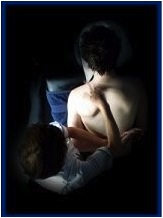
 Massage tones and exercises the muscles and mobilizes joints whilst relaxing and reconnecting body and mind. It’s positive effect on the lymphatic system encourages elimination of stress toxins such as cortisol and adrenalin. Enhanced blood flow to all parts of the body increases the production of feelgood endorphins, serotonin and dopamine. Thus, a feeling of wellbeing is created and the immune system stimulated.
https://www.therapy-directory.org.uk/articles/massagetherapy.html
Massage therapy history dates back thousands of years to ancient cultures that believed in its overall health benefits. The first written records of massage therapy are found in China in “The Yellow Emperor’s Classic Book of Internal Medicine” (2600 BC), the priests writing, “early morning effleurage keeps joints supple and prevents many minor ailments”, and Egypt where tomb paintings depict individuals being kneaded by others. The first known written texts (1500 BC) on the principles and practise of massage therapy traditions of India’s Ayurvedic (meaning “sacred knowledge of life”) massage. Hindu priests wrote “massage reduces fat, strengthens the muscles and firms the skin”. The ancient Greeks (800-700BC) had a strong sense of a physical culture, and massage was a common practice. Specific techniques included decreasing the “knots” throughout muscle tissue in the body through therapeutic rubbing. Hippocrates (460-370 BC) is considered to be the founder of modern medicine and his legacy continues to this day in the Hippocratic Oath taken by doctors on graduation. A medical pioneer, Hippocrates wrote that “the way to health is to have a scented bath and oiled massage every day” and that “a physician must be experienced in rubbing…for rubbing can bind a joint that is too loose and loosen a joint that is too rigid”. He promoted overall wellness by encouraging a good diet, exercise, ample sleep, and music. In many ways, his system of healing has more in common with holistic medicine than with conventional medicine. In the Roman Empire (2 BC), with the Romans’ high regard for sports, massage was used routinely for sports injuries as well as for health, treatment of disease, and relaxation. It was from this early massage therapy history that the Swedish doctor, gymnast and educator Per Henril Ling (early 1800’s) developed a method of movement known as the “Swedish Movement System.” This is regarded as the foundation for Swedish massage most commonly used in the West today.
While our scientific knowledge has changed over the centuries, massage as an applied healing practice has not changed dramatically. After all, the human body has not changed significantly since ancient history. Because massage treats the most common kinds of pain with the most natural form of medicine (human touch), it transcends the particulars of human culture and history.
So long as people are prone to discomfort and illness, massage will continue to exist as a healing practice.
https://en.wikipedia.org/wiki/Massage
Acupressure
Acupressure works on the same principle as acupuncture, using finger or elbow pressure rather than needles. It works directly on the 12 major meridians (or energy lines) of the body, and their associated organs and systems, balancing the flow of energy, or Ki, through the whole body. As a result, circulation of blood and lymph improves and the immune, endocrine and nervous systems all benefit from the unblocking of stagnant energy in the acupressure points. As the massage improves circulation and lowers blood pressure, the body’s systems are calmed, promoting a sense of well-being and recipients are left feeling relaxed, refreshed and re-energised. A sense of wellbeing is instilled and alertness improved.
Aromatherapy
Aromatherapy uses essential oils extracted from plants for their therapeutic effects. Our sense of smell is rooted deep in the limbic system of the brain, which controls our most basic functioning. Therefore, pleasant and therapeutic aromas used with massage can trigger the brain’s ancient ‘knowing’ of its perfect state of wellness, setting off the body’s natural healing process and encouraging balance from within.
The way to health is to have an aromatic bath and a scented massage every day. Hippocrates
Aromatherapy as a stand-alone treatment employs a very gentle form of massage. The use of oils for specific conditions and individual requirements can also be combined with the other modalities of massage I offer.
Neuro-Muscular Techniques
NMT is a soft tissue technique used by bodywork therapists to assess the client condition and provide information as to tissue tone and tension. It is a palpation technique, gentle and non-invasive, which meets and matches resistance in the muscles it is addressing and seeks out changes from the norm in soft tissue. With this assessment tool, Anne is able to define areas of tension in the body which are associated and compensatory to the presenting condition, and treat accordingly.
This technique was originated by Stanley Lief, a chiropractor and naturopath from Latvia, who in 1925 established Champneys clinic at Tring, Hertfordshire. It has been proved to be an effective massage protocol that targets soft tissue changes without causing patient discomfort.
https://nmtcenter.com/history/
https://www.disabled-world.com/medical/alternative/holistic/neuromuscular-therapy.php
No Hands Massage
Originally developed by Gerry Puyves in direct response to the repetitive strain injuries that can plague many bodywork therapists who continually use their hands and fingers,
NHM is applied with the forearms, and combined with careful body positioning, correct angles of application of pressure, appropriate transfer of body weight can create an irresistible force for release and change in tense and tight tissues.
NHM’s philosophy is to “go deep, go slow”. Employing the principles of “meeting and matching” resistance levels in the client’s body allows for a powerful depth of pressure, and applied with long, slow, and thoughtful strokes, invites comfortable and gentle release which is effortless, empowering the client to open up, let go of tension and allow change.
Remedial & Sports Injury Techniques
Not by any means designed only for sports people, remedial & sports massage can be effective in preventing and treating muscle injuries and pain that can occur as a result of exercise, overuse, or misuse (for instance, long periods sitting at computer screens). The remedial massage techniques that I offer use deeper tissue techniques to help remove blockages and damaged cells in the body, stretches, trigger point work and cross-fibre techniques to restore mobility and tone to tense and sore muscles.
Swedish Massage
Swedish massage is designed to improve circulation, soothe muscles and improve relaxation. It uses five main techniques; stroking and gliding, kneading, rubbing, tapping or pounding, and vibration. Swedish massage is what you probably consider a ‘typical’ massage.
This form of massage helps to stimulate the skin and nervous system, and exercises the ligaments and tendons to keep them supple. The process can be incredibly relaxing, and is championed for its ability to reduce both emotional, and physical stress.